


The shipbuilding sector is undergoing a profound transformation, driven by growing demand for innovative and sustainable technologies capable of addressing modern challenges related to energy efficiency, material performance, and environmental impact reduction. In response to these evolving requirements, Québec’s plastics and composites industry has positioned itself as a key player in shipbuilding, leveraging technological advances and its ability to deliver high-performance, tailored solutions to this dynamic sector. Polymer materials—and composites in particular—now play a central role in this transition.
The Advantages of Plastics and Composites in Shipbuilding
Composite materials offer significant advantages over traditional materials such as steel and aluminum. Their properties enable lighter vessel structures while maintaining—or even enhancing—strength and durability. Composites can weigh up to seven times less than steel and 30% less than aluminum, leading to substantial weight reduction. This translates into improved energy efficiency, lower fuel consumption, increased speed, and greater cargo capacity.
The use of polymer materials in shipbuilding also provides superior resistance to harsh marine environments, particularly corrosion. Unlike metals, plastics and composites do not rust or oxidize, reducing maintenance requirements and extending vessel lifespan. In addition, these materials offer greater design flexibility, enabling the creation of more complex shapes that better meet the performance and customization needs of modern naval structures.
Multisector Application Potential
Québec’s polymer industry—comprising more than 500 companies and 25,000 jobs—is already a major contributor across several economic sectors. Historically, these materials have been widely used in automotive and aerospace industries, where they have enabled remarkable advances in weight reduction and performance. For example, the automotive industry has increased its use of plastics from 20 kg per vehicle in 1960 to nearly 200 kg today. A similar trend has been observed in aerospace, where composites have become a material of choice for reducing aircraft weight and improving aerodynamics.
These examples highlight the strong synergies between the plastics industry and shipbuilding. Like aircraft and automobiles, vessels can benefit from weight reduction, enhanced performance, and lower maintenance costs.
Collaboration as a Driver of Innovation
Québec’s plastics and composites industry possesses technical expertise that can be directly applied to shipbuilding needs. The use of composites in manufacturing hulls, masts, tanks, piping systems, and control panels helps optimize vessel performance while reducing environmental impact.
One notable example of collaborative potential is the production of thermoformed foam panels for hull construction. This process reduces the quantity of polymers required while improving the physical properties of the finished panels, lowering both production costs and installation time. Resin infusion welding for invisible composite joints is another advanced technology that enhances vessel durability, simplifies maintenance, and facilitates assembly.
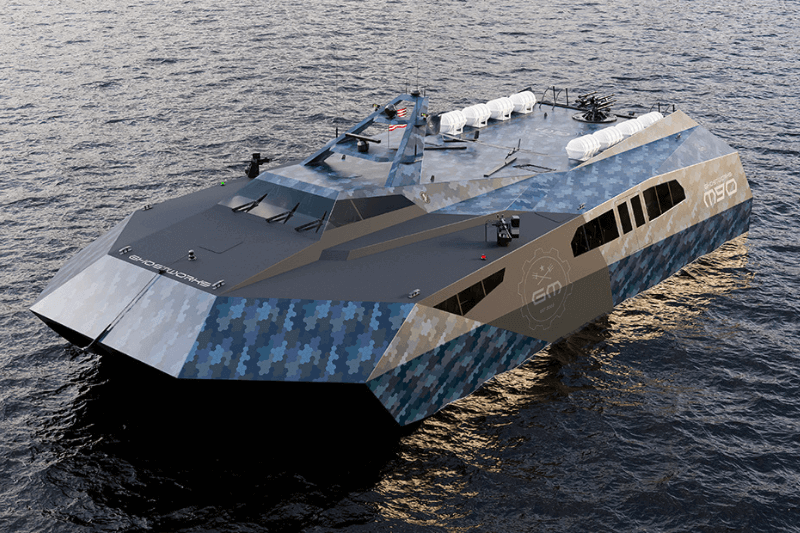
European Shipbuilding: A Source of Inspiration
Europe has taken the lead in integrating polymers—particularly composites—into shipbuilding. The RAMSSES project, funded by the European Union, demonstrated the feasibility of constructing large ship hull sections using composite materials, paving the way for large-scale commercialization. Similarly, the Damen Group recently unveiled a composite hull section capable of reducing vessel weight by 40% compared to steel structures.
In addition, vessels such as the Cicero, which transports up to 6,900 vehicles across the Atlantic, demonstrate that composites can reduce ship weight by 25%, increase cargo capacity, and lower fuel consumption by 4.5%. These European examples clearly show that composite materials are a viable option for shipbuilding and can deliver substantial economic and environmental benefits.
Québec: An Opportunity to Seize
Québec’s shipbuilding industry has a unique opportunity to follow the path of the automotive and aerospace sectors by embracing plastics and composite materials on a larger scale. By collaborating with key players in the polymer industry, shipbuilding companies can enhance performance and strengthen their international competitiveness.
Québec SMEs, which represent the majority of companies in the plastics and composites sector, are particularly well positioned to respond quickly to the evolving needs of the shipbuilding industry. Thanks to their agility, they can adapt processes and products to integrate emerging technologies—such as bio-based polymer materials—thereby delivering innovative and sustainable solutions.
Cutting-Edge Technologies for a Sustainable Future
The future of shipbuilding lies in innovation. Technologies such as additive manufacturing and adaptive molding enable the production of complex, customized components that reduce maintenance needs while improving vessel performance.
Québec’s polymer industry is already at the forefront of these innovations, developing processes that reduce carbon footprints while optimizing resource use. Adoption of these technologies by the shipbuilding sector would not only help meet increasingly stringent environmental requirements but also create new economic opportunities for local businesses.
Québec’s shipbuilding industry stands at a pivotal moment. By leveraging the expertise and advanced technologies of the plastics and composites sector, it has the opportunity to become a global leader in building lighter, more durable, and higher-performing vessels. Collaboration between these two sectors offers promising synergies for a future where innovation and sustainability go hand in hand. By adopting these advanced materials and technologies today, Québec’s naval industry can enhance its performance, reduce its environmental impact, and strengthen its competitive position on the global stage.
For manufacturers in the plastics and composites industry, Québec shipyards represent fertile ground for innovation and collaboration. By engaging stakeholders across the sector, you can co-develop tailored solutions that meet the specific needs of modern shipbuilding while reinforcing your market position. Seize this opportunity to integrate advanced technologies into large-scale projects and contribute to the growth of this strategic sector.
In addition, the Excellence Cluster Alliance Polymères Québec can actively support these structuring collaborative initiatives. By facilitating partnerships and mobilizing the necessary expertise, we assist you in implementing innovative and sustainable solutions to maximize the impact of your collaborations with the shipbuilding industry. We can also help you access funding opportunities to achieve your objectives.
By Simon Chrétien
This article has not undergone thorough linguistic review. It may therefore contain some spelling and syntax errors. Rest assured that the nature of the content and information presented is not affected.

